-
×
 Canon PowerShot IXUS 285 HS 12X Optical Zoom Digital Camera
1 × ₨33,500.00
Canon PowerShot IXUS 285 HS 12X Optical Zoom Digital Camera
1 × ₨33,500.00
Subtotal: ₨33,500.00

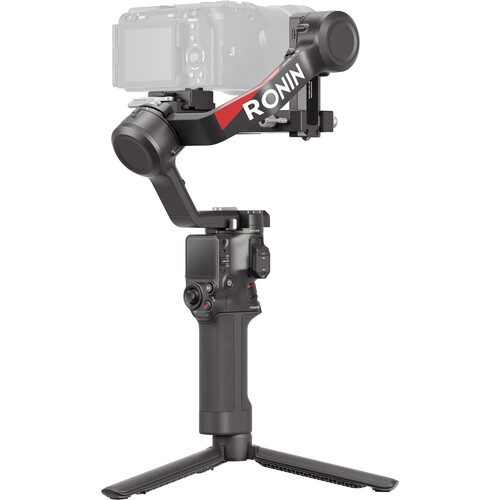
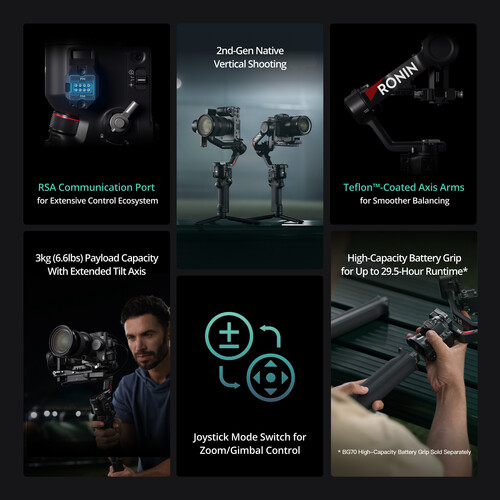

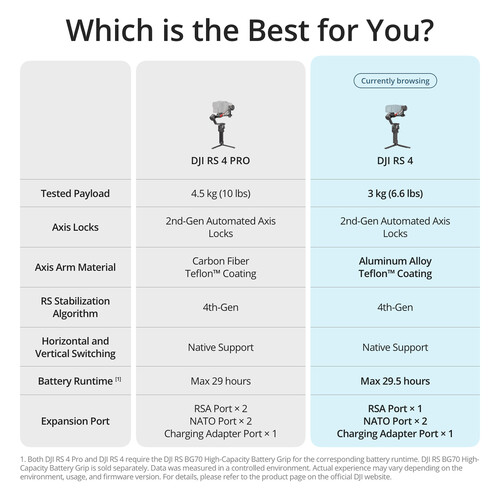
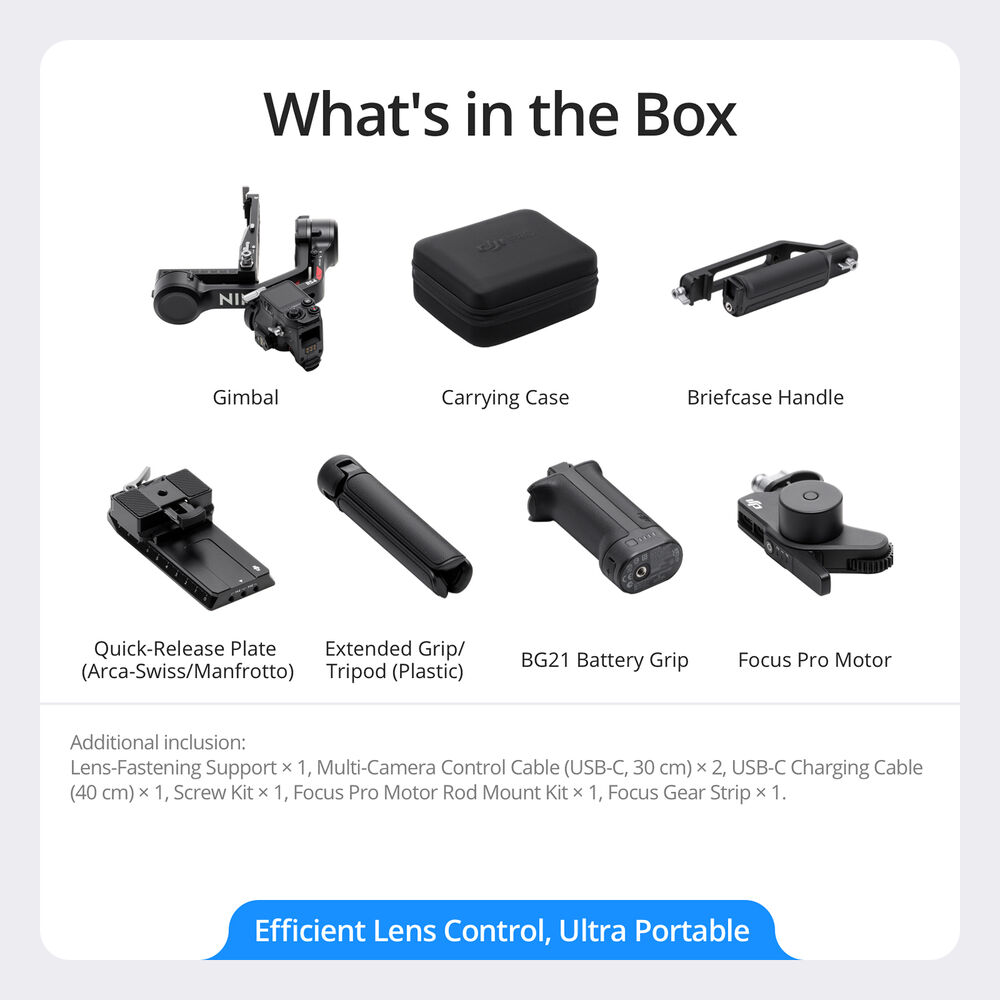
Out of stock
For Credit facilities .Customer must to shop for quotation.
Credit services offered through(C.I.M/ROGERS/DBM/ECO CREDIT)
FOR CREDIT SHOP CONDITION APPLIES.
*Quotation via email are not accepted by any credit services (C.I.M/Rogers/DBM/Eco credit)
*Once Credit services approves and documents signed. Customer can pick up item in shop.
*Approved documents + Photocopy ID + Customer Signature Required for delivery.
(i) VIA Credit : Rs.2025 monthly with 0 deposit IF APPROVED
(Note for this option: YOU NEED TO ALREADY BE A REGISTERED customer to Credit services (C.I.M/Rogers/DBM/Eco credit))
-REGULAR CLIENT TO Credit services (C.I.M/Rogers/DBM/Eco credit)
-YOU NEED TO HAVE NO LATE PAYMENT.
-NO UNBALANCED ACCOUNT.
(ii) WITH DEPOSIT FOR NEW CUSTOMER or
customer that require deposit to be approved Via Credit services : Rs.1625 monthly with deposit Rs.12000
Documents required for Credit application.
₨63,500.00 ₨93,665.00
Out of stock


| Sony | A9 A9 II A6600 A6400 A7RV A7R IV A7R III A7M4 A7M III A7S III FX3 A1 ZV-1 ZV-E1 ZV-E10 A7C A7C II A6000 A6100 A6300 A6500 A7S II A7M || A75 A7R II RX100 VII A6700 |
| Canon | EOS-1D XII EOS R10 EOS R7 EOS R6 EOS R6 II EOS R5 EOS REOS R EOS RP EOS R5C EOS C70 G7X3 EOS M50 EOS M50 II EOS M6 II EOS 90D EOS 5D IV EOS 200D || EOS 7D II EOS 77D EOS 800D EOS 850D EOS 6D EOS 6D II EOS 80D EOS 5D III EOS 70D |
| Nikon | Z9 Z8 Z7 Z6 Z5 Z711 Z50 Z30 Zfc D500 D850 |
| Panasonic | GH6 GH5 GH5S S1H S1 S5 II S5 BGH1 G9 G95 GH4 GH3 |
| Fujifilm | X-H1 X-H2S X-E3 X-100V X-T2 X-S10 X-T20 X-T30 II X-T30 X-T4 X-T3 |
| Sigma | FP |
| Olympus | E-M1 II |
| BMPCC (video recording only) | BMPCC 6K Pro BMPCC 6K BMPCC 4K |
| ZCAM | Z CAM E2 Z CAM E2-F6 |
| LEICA | SL2 SL2-S |

For Credit facilities .Customer must to shop for quotation.
Credit services offered through(C.I.M/ROGERS/DBM/ECO CREDIT)
FOR CREDIT SHOP CONDITION APPLIES.
*Quotation via email are not accepted by any credit services (C.I.M/Rogers/DBM/Eco credit)
*Once Credit services approves and documents signed. Customer can pick up item in shop.
*Approved documents + Photocopy ID + Customer Signature Required for delivery.
(i) VIA Credit : Rs.2025 monthly with 0 deposit IF APPROVED
(Note for this option: YOU NEED TO ALREADY BE A REGISTERED customer to Credit services (C.I.M/Rogers/DBM/Eco credit))
-REGULAR CLIENT TO Credit services (C.I.M/Rogers/DBM/Eco credit)
-YOU NEED TO HAVE NO LATE PAYMENT.
-NO UNBALANCED ACCOUNT.
(ii) WITH DEPOSIT FOR NEW CUSTOMER or
customer that require deposit to be approved Via Credit services : Rs.1625 monthly with deposit Rs.12000
Documents required for Credit application.
For Credit facilities .Customer must to shop for quotation.
Credit services offered through(C.I.M/ROGERS/DBM/ECO CREDIT)
FOR CREDIT SHOP CONDITION APPLIES.
*Quotation via email are not accepted by any credit services (C.I.M/Rogers/DBM/Eco credit)
*Once Credit services approves and documents signed. Customer can pick up item in shop.
(Note for this option: YOU NEED TO ALREADY BE A REGISTERED customer to Credit services (C.I.M/Rogers/DBM/Eco credit))
-REGULAR CLIENT TO Credit services (C.I.M/Rogers/DBM/Eco credit)
-YOU NEED TO HAVE NO LATE PAYMENT.
-NO UNBALANCED ACCOUNT.
Documents required for Credit application.

For Credit facilities .Customer must to shop for quotation. Credit services offered through(C.I.M/ROGERS/DBM/ECO CREDIT)
FOR CREDIT SHOP CONDITION APPLIES.
*Quotation via email are not accepted by any credit services (C.I.M/Rogers/DBM/Eco credit)
*Once Credit services approves and documents signed. Customer can pick up item in shop.
(Note for this option: YOU NEED TO ALREADY BE A REGISTERED customer to Credit services (C.I.M/Rogers/DBM/Eco credit))
-REGULAR CLIENT TO Credit services (C.I.M/Rogers/DBM/Eco credit)
-YOU NEED TO HAVE NO LATE PAYMENT.
-NO UNBALANCED ACCOUNT.
Documents required for Credit application.
For Credit facilities .Customer must to shop for quotation. Credit services offered through(C.I.M/ROGERS/DBM/ECO CREDIT)
FOR CREDIT SHOP CONDITION APPLIES.
*Quotation via email are not accepted by any credit services (C.I.M/Rogers/DBM/Eco credit)
*Once Credit services approves and documents signed. Customer can pick up item in shop.
(Note for this option: YOU NEED TO ALREADY BE A REGISTERED customer to Credit services (C.I.M/Rogers/DBM/Eco credit))
-REGULAR CLIENT TO Credit services (C.I.M/Rogers/DBM/Eco credit)
-YOU NEED TO HAVE NO LATE PAYMENT.
-NO UNBALANCED ACCOUNT.
Documents required for Credit application.